5 Ways to Increase the Longevity of Your Car

Do-It-Yourself Tips
Five Ways to Maintain Your Car in Lacey, WAPurchasing a car is a big investment. Some people keep cars for 10+ years, while others trade them in only after a few years of driving. Either way, taking pride in your vehicle and keeping it properly maintained is crucial for increasing the longevity of your car. Here are five key tips to keeping it maintained properly.

Wash Your Car Often

Some people are great at keeping their car clean, while others may let it go until someone writes “Wash Me!” on the window. Keeping your car clean is crucial for resale/trade in value because contaminants like dust, pollen, tree sap, bugs, bird droppings, salt and more damage your paint and finish.

Heat, rain and air pollution can also affect the longevity of your paint and finish.

When should you wash your car immediately? If newly splattered bugs, bird droppings, and tree sap appear on your car. If you have a long commute to work each week, consider washing it weekly since dirt, pollen, gravel or air pollutants can have an impact on your car’s paint.

When to wash your car 1-2x a month

If you have mild weather, if you don’t drive your car much where it wouldn’t be exposed to tree sap, bugs, and bird droppings or if your car stays in a closed garage most of the time.

Fill The Gas Tank Before It Gets Too Low

Gasoline can act as a coolant for your electric fuel-pump motor. When your gasoline level is very low, the pump sucks in air, which can create heat and cause the fuel pump to work harder. There is a chance the fuel-pump motor could wear prematurely or fail if you always drive your car when it’s near empty.

Don’t rely on your car telling you how many miles are empty. When your tank is ¼ full, fill it up.

Check The Air Filter

Look to replace your air filter once a year or every 20,000 miles. It’s fairly inexpensive and can actually benefit you by increasing your fuel efficiency, reduce emissions and prolong your engine life.

Check the Fluids

Fluids play an important role in your engine and car health. While most of us leave it to the professionals to check the different fluid levels, there are some you can do yourself on a monthly basis.

Check your windshield wiper fluid. Your windshield wiper fluid reservoir is typically a large, white plastic container with a windshield wiper image on it. You can always check your owner’s manual to make sure it’s correct. If the fluid level is less than the line shown or less than three quarters full, fill it up.

Check your oil. Once you’ve found your dipstick, pull it all the way out and wipe the end. Then, reinsert the dipstick. When you pull it out again, see where the oil level lines up on the line. It should be near the full line. If it’s not, add more oil.

Replace the Fuel Filter

Your fuel filter catches particles, debris and impurities in your gas tank before the fuel reaches the pump. This makes sure only clean gasoline reaches your engine. You want to avoid any debris clog up over time. Replacing your fuel filter may be different depending on the on the car and what the manufacturer recommends.  Check your owner’s manual to find out the timeline for your vehicle and leave this one to an expert unless you’re especially handy.

While we can’t help you maintain your vehicle, we can find you great rates on your home and auto insurance.

All Insurance One was established in 1978 and is a family owned, local insurance agency in Lacey, WA. Our agents are highly trained professionals and considered masters in their field. By offering protection for your Auto, Home, or Umbrella Insurance, we make sure that you’re covered today, as well as in the future. It is our passion to provide outstanding insurance service and consumer education to our clients.

Firework Safety

Firework Safety in Lacey, WAMany of us celebrate Independence Day by getting together with family and friends or barbecuing hot dogs and hamburgers. Others like to celebrate with fireworks. While fireworks can be exciting and provide great entertainment, they also come with the risk of injuries.
Six Simple Safety Tips

  • If a firework didn’t ignite fully, don’t try to re-light it or pick it up. Leave it alone for 20 minutes then spray it with water and toss it.
  • Do not buy any fireworks that are packaged in brown paper. Most likely, they were made for professional displays and could be dangerous to the consumer.
  • Never leave kids unattended with fireworks, even the sparklers. Young children can get injured from the sparklers due to their extremely hot temperatures. Some are as hot as blow torches!
  • Check to make sure fireworks are legal in your area before you even buy them. If you are lighting them off in a restricted area, you will be liable for any injuries or damages.
  • Before throwing away used fireworks, spray them with plenty of water to ensure they won’t start a trash fire.
  • Stay clear of dry brush or tall grasses. These can ignite and spread fire quickly.

We all love to celebrate the 4th of July, but be sure to do so with care.

All Insurance One was established in 1978 and is a family owned, local insurance agency in Lacey, WA. Our agents are highly trained professionals and considered masters in their field. By offering protection for your Auto, Home, or Umbrella Insurance, we make sure that you’re covered today, as well as in the future. It is our passion to provide outstanding insurance service and consumer education to our clients.

What Every Motorcycle Rider Should Know

Safety Tips for Beginners to Experienced Riders

Motorcycle Safety Tips in Lacey, WAThe key to staying safe riding your motorcycle is to be prepared and understand how to avoid risks. Motorcyclists are at a higher risk being on the road compared to a vehicle. Keep these things in mind to dramatically lower your risk for injury.
Refine Your Skills

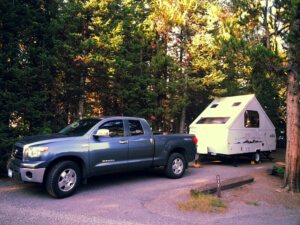
If you’re new to riding, look to take a riding course from the Motorcycle Safety Foundation in your area. This class can teach you the basics. Or, if you’re an experienced rider, you can learn more advanced techniques.

Practice Makes Progress

After taking a Motorcycle Safety riding course, be sure to get out there and ride! Racking up miles will help you become a better rider. Set a short term goal of riding 1,000 miles before a specific date.

Wear the Right Clothing & Footwear

Especially if you’re new to riding, you need to wear the proper attire in case you go down. Look to buy leather or textile protective gear (jacket, pants, gloves). It helps when your clothing is breathable when you’re riding in the hot summer days.

Shoes with good traction are essential to staying safe on the road. A non-slip bottom boot or shoe is ideal. They should also be over-the-ankle to give extra protection.

Ride More Defensive Than You Drive a Car

Many drivers don’t see motorcycles or simply make judgement errors because of your size. Be sure to pay more attention to your surroundings when you’re riding. Pay attention to everything including street corners and intersections, but also parking lots, alleys and anywhere where a vehicle is trying to enter into moving traffic. Also, look far ahead when you’re riding. For example, say a car is pulled over or construction is coming up. Sure, you may see it, but does the car next to you? Lastly, avoid the blind spot of all cars. Ride up ahead of them or far enough before in case they need to suddenly switch lanes.

Besides being aware of your surroundings, it’s important to look for pot holes or bumps in the road. While a car can handle these without a problem, being on a motorcycle is a different story. If you can’t avoid them, slow down as much as you can.

Do a Quick Inspection

Before hopping on your bike, be sure to check a few areas. Check the chain, belt, and brakes. Inspect your tires for proper pressure. Also check to make sure your lights and directional signals are working properly.

While we’d love to sit in your sidecar to help you ride safely, we have work to do saving great people like you money on their motorcycle insurance. As an independent agent, we have access to some of the top insurance carriers in the country.

All Insurance One was established in 1978 and is a family owned, local insurance agency in Lacey, WA. Our agents are highly trained professionals and considered masters in their field. By offering protection for your Auto, Home, or Umbrella Insurance, we make sure that you’re covered today, as well as in the future. It is our passion to provide outstanding insurance service and consumer education to our clients.

Seven Areas to Look Before Buying a Used Camper

Simple Tips to Prevent an Unwanted Repair

Tips Before Buying a Used Camper in Lacey, WASpring is a great season to start looking for good used campers. Whether you’re looking at a dealership or from a person off of Craigslist, it’s important to know how to look for possible damage or wear.
Look for these trouble areas to save yourself on repairs:

  1. Delamination

RV’s are typically made of a laminated plywood and adhered with an adhesive. This adhesive over time can become deteriorated and cause the side of the RV to delaminate. This delamination can become worse over time and unfortunately, there is not an inexpensive fix. Reasons for delamination can be moisture, heat or simply age. To look for delamination, look down the side of the RV. You’re looking for a change in the plane – it looks almost like a large bubble. Take your hand and press on it. Does it flex or feel like there is air between the exterior fiberglass shell and the interior plywood?

  1. Tires

Tires are easy to inspect. What you’re looking for is small cracks in between the tread. As RVs sit, they develop flat spots and weather cracks. These cracks while largely cosmetic in nature, can over time deteriorate the tire. If the tires are worn or cracked, consider this into the cost of purchasing the RV.

  1. Rodent Damage

Rodents get into everything. Your RV or trailer is no different. In fact, they make ideal homes for rodents because most of the year, they’re sitting undisturbed. When looking for signs of rodents, pull up some seat cushions and look in storage spaces. You’re looking for rodent droppings. Mice and rats leave droppings everywhere. This can both be a health hazard and also damage your RVs interior as they nest.

  1. Water Damage

RV’s are incredibly susceptible to water damage. Truth is many manufacturers in the US don’t build the RVs with as much quality as they could. Water damage is usually pretty easy to spot or smell. If the RV smells musty or feels damp, this is a big indicator. Look for mineral stains or water stains on wood, around skylights and air conditioners on the roof. Also, go around the RV or trailer and push in on all of the sides all the way around. If water got into the walls, it can quickly rot the structural portions of the RV. Pushing on the sides will identify any areas that may be compromised. An RV should be stiff and hard, if it flexes, it is possible there is water damage. Check closely around windows and on the roof.

  1. Appliances

RV appliances are incredibly expensive to replace because of their compact size. If you’re considering a used RV, have the owner or dealer fire up the refrigerator prior to you getting there so you can feel it cool. RV refrigerators can run on electricity, battery or propane. They take about 2 hours to cool down, so before your arrival, ask them to turn it on. Also, while there, test any water heaters and/or other systems that may be important to you.

  1. Canvas

If your trailer or RV has any canvas, look it over closely for mold and staining. Also, if any windows are plastic on your RV, check all zippers and windows for cracks. New canvas tops for a pop-up camper can cost upwards of $3,000.

  1. Floor

The floor of an RV is one of the most common places an RV, camper or trailer is damaged. The floor is typically made up of simple plywood and in older RVs was not protected by anything. Additionally, floors that were protected underneath often time trapped water that entered from above causing the floors to rot. When inspecting a trailer for a rotted floor, get on your hands and knees and push all over the floor looking for flex. If the floor flexes or feels mushy, it is likely rotten and may require replacement. You can also take a small screwdriver or pick and lightly push from underneath (for exposed wood floors only) and see if the material is rotted.

Taking these steps can save you a lot on costly RV repair. We hope you enjoy your camping season. Many memories can be made while camping so we hope we’ve been successful in helping you be an expert when shopping for a used RV.

All Insurance One was established in 1978 and is a family owned, local insurance agency in Lacey, WA. Our agents are highly trained professionals and considered masters in their field. By offering protection for your Auto, Home, or Umbrella Insurance, we make sure that you’re covered today, as well as in the future. It is our passion to provide outstanding insurance service and consumer education to our clients.

How to Inspect Your Roof for Damage

Six Areas to Look to Prevent a Costly Repair

How to inspect your roof for damage in Lacey, WAWe all know that owning a home is an expensive investment. Unfortunately, you can’t just move in and let it set. Homes require constant maintenance to ensure you don’t get costly damage. We suggest doing a yearly home inspection.


Most people will never
venture up onto their roof to see what is going on up there.  A homes roof takes a beating. In the summer, it bakes and the sealant can shrink and expand hundreds of times each year. Making sure your roofing is up to par will save you from costly damage such as mold, water damage, sagging rooflines, pests and much more.

During winter, rainwater can find its way through tiny cracks causing moisture in your attic or between the layers of roofing. Identifying these issues early on can save you thousands of dollars in repairs to the roof itself, drywall, mold or go into your walls creating all sorts of havoc.  It is critically important to understand that your home insurance does NOT cover water intrusion damages caused by deferred maintenance.

Things to look for on your roof inspection:

  1. Missing or damaged shingles
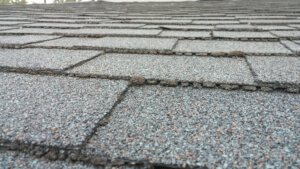
    1. Shingles can become damaged by wind and hail or even just years of use. When inspecting your shingles, make sure the granules are covering the shingle. Ensuring that your shingles are in proper working order will ensure water stays out of your home.
    2. Look for curling shingles, or if wood, cracked or decayed shingles.
  2. Flashing
    1. Your flashing is the metal pieces that go around skylights, butt up against walls and down the valleys on your roof.
    2. Make sure these pieces are whole and without damage such as being twisted upwards, or having holes in them from rust or other damages.
  3. Flat Roofs: Look for obvious patches, cracks, tears, or blisters.
  4. Gutters: Make sure your gutters are clear from debris, are not leaking and are butted up tight against the structure.
  5. Chimneys: Ensure your chimney cap is on tight and if it is brick, inspect for cracks.
  6. Ventilation: Make sure your ventilation caps are clear of obstruction.

Inspecting your roof is a quick and easy job. Take your time and be careful while up there as there are many trip hazards and climbing on and off of the roof onto a ladder can be tricky. But, if done safely, a roof inspection can identify problems that would normally not be covered by your homeowners insurance.

All Insurance One was established in 1978 and is a family owned, local insurance agency in Lacey, WA. Our agents are highly trained professionals and considered masters in their field. By offering protection for your Auto, Home, or Umbrella Insurance, we make sure that you’re covered today, as well as in the future. It is our passion to provide outstanding insurance service and consumer education to our clients.


Key Things to Consider to Lower Your Energy Bill

Small Changes Can Add Up to Big Savings

How to lower your energy bill in Lacey, WAEveryone loves to save money especially if it’s done with a few easy steps. Electricity bills can add up quickly in your home, but by making a few small changes can lower those bills and save money for other things in your monthly budget.
Easy To Do Steps to Lower Your Electricity Bill

Home Heating

Heating your home uses the most energy, but can offer up the best ways to save money.

Keep your heating system tuned up and inspected. A poorly maintained heating system adds up overtime. Get your heating system inspected by a professional to ensure you’re not wasting energy and money.

Check the furnace filter. When a filter is dirty, they use more energy. Replace the filter when needed and follow the instructions in your furnace manual. Usually every couple of months.

Don’t block heat registers or return ducts.

Home Cooling

Invest in an air conditioner that has a high energy efficient rating (EER). A unit with an EER of 10 will save you twice as much as an EER of 5 would to operate.

Keep the filter clean. Again, the dirtier the filter, the harder it has to work.

Keep your temperature consistent. Instead of constantly changing your thermostat up and down, pick a temperature and stick to it.

Appliances

Insulate your water heater. Your water heater and refrigerator can be prime energy suckers. By insulating your water heater, you could have a great return on savings.

Hang dry more of your clothes. This can save on energy, plus keep your clothes in better condition.

Not using an appliance? Unplug it. Keeping an appliance plugged in uses energy, so if you’re not using an appliance or even a phone charger, unplug it.

Always do a full load. This goes for the dish washer and washing machine. Focus on doing full loads vs. partial loads.

Clean the drain weekly. Unclog the drain of food particles and clean it weekly to keep your dish washer running efficiently.

Keep the thermostat at a specific temperature. The refrigerator is best at 38 to 42 degrees, while the freezer is best at 0 to 5 degrees.

Other Tips

Turn off the lights. This is a simple one! If you’re not in a room, turn the lights off.

Change your light bulbs. More and more people are doing this, but energy efficient light bulbs will help you save money on your energy bill. Plus, they last much longer! Dimmer light switches can be a great addition to your home and use less energy while you enjoy your preference of lighting in a room.

Utilize power strips. Many computers, televisions and other electronics use power when they are off. Plug these devices into a power strip and when you’re not using them, simply hit the power switch button to turn them off.

While we can’t lower your energy bill for you, we can help you find ways to lower your insurance. All Insurance One was established in 1978 and is a family owned, local insurance agency in Lacey, WA. Our agents are highly trained professionals and considered masters in their field. By offering protection for your Auto, Home, or Umbrella Insurance, we make sure that you’re covered today, as well as in the future. It is our passion to provide outstanding insurance service and consumer education to our clients.

Six Tips to Prepare and Maintain Your Vegetable Garden

Home Garden Checklist

How to prepare and maintain a home garden in Lacey, WASpring season can bring so much joy to garden lovers. Growing your own garden saves money on groceries each week, plus can give you the personal satisfaction of growing your own food. It’s fun when you can involve your kids and teach them a few of your favorite tricks! Many people feel like their garden vegetables taste better. Whether you’re a seasoned pro at gardening or you’re just a beginner, use the tips below to ensure success.


Pick Your Favorite Things

First, decide what you want to plant. If you are new to gardening, start small. You can grow herbs and vegetables in pots.

Find a Location

If you want to plant a vegetable garden, find a location that gets at least six hours of sunlight each day. Also, keep the size of the mature plants in mind. The taller plants should be placed on the north or west side of the garden so they do not shade the other plants. As for watering your garden, it helps to keep it close to your water spigot so you aren’t stuck dragging it across your yard.

Crops need enough spacing between each other. When placing your vegetables in rows, allow at least 18 inches between them.

Give the Soil a Boost

First, test your soil. Soak it with a hose then wait a day to see what it looks like. The next day, grab a handful and see how the soil holds up. If water streams out, add two to three inches of organic matter (manure, compost, decayed leaves, dry grass clippings). When you pick up a handful and the soil does not form a ball, it’s too dry. Add organic matter. You know the soil is ideal when you grab it and it forms a ball and then slightly breaks apart when you drop it.

Water

For most vegetable plants, one inch of water per week is enough. It’s best to water in the morning to retain moisture. When you water, deliver water slowly so the roots absorb the moisture the soil stays hydrated.

Add Mulch

Mulch insulates your soil. It also helps retain moisture, decrease the amount of weeds and protects plants from diseases. Place about two to three inches on organic mulch around your plants.

Use Just Enough Fertilizer

By using organic compost (about 20% of the total makeup of the soil), you will keep it fertile enough so it thrives naturally. Using too much fertilizer can hinder results by decreasing the amount of harvest.

While we can’t tend to your vegetables, we can tend to all of your insurance needs. All Insurance One was established in 1978 and is a family owned, local insurance agency in Lacey, WA. Our agents are highly trained professionals and considered masters in their field. By offering protection for your Auto, Home, or Umbrella Insurance, we make sure that you’re covered today, as well as in the future. It is our passion to provide outstanding insurance service and consumer education to our clients.


5 Things to Consider Before you Switch Your Insurance

Switching your insurance policy can save you hundreds of dollars a year. But, make sure you consider these things before you make the switch.

Tip #1: Compare Apples to Apples

You’ve seen the commercials – “average savings of $500 a year for those who switched…” Absolutely you can save money. However, be sure that your new quote compares your current policy to the new policy – all coverages, driving records and vehicles the same. Any one thing can make a big difference. Many companies will try to lure you with great savings, but a CLUE report (comprehensive loss underwriting exchange – also known as your claims history) is not completed until after the application is submitted. Online companies are notorious for doing this.

Tip #2: Status Changed

If you’ve recently received a ticket or an accident, moved or purchased a new vehicle, have your current policy changes made prior to shopping. It is entirely possible that your new ride may get you some savings, or result in a price increase. In addition to this, if you’ve recently had a ticket fall off of your driving record, it would be worth calling the company to see if they can remove it now and save you some money for the remainder of your policy term. Regardless, if something changes, be sure to revert to tip #1.

Tip #3: Work with an Independent Insurance Agent

Independent insurance agents are discount detectives and have access to multiple companies. Even better, they know your current situation, history and can give you recommendations across many of their companies. They can compare rates between each of their carriers and let you know the benefits of each company.

Tip #4: Multi-Policy Discounts

When you’re looking for a new policy, be sure to take all things into consideration. You may be focused on your auto insurance, but if you have a package policy (multiple policies with the same carrier) you are likely getting discounts. If you move your auto insurance policy to another carrier, your home insurance may increase as much as 20% eliminating any saving you received. Take all of your policies into consideration. One additional item to consider here is if you have an umbrella policy, this is typically required to follow your home insurance policy. Some carrier require the home and auto to write the umbrella, so talk to you agent about your specific situation.

Tip #5: Your Relationship with your Agent

Knowing your insurance agent and having a business relationship with them is important. They are the ones who will go to bat for you in the event you have a claim or accident. Often times they can help you file that claim or give you recommendation on local companies to help fix your issue. If you have your insurance directly with the company handling your loss, you don’t get this representation. Having a local independent insurance agent is the way to go.

All Insurance One was established in 1978 and is a family owned, local insurance agency in Lacey, WA. Our agents are highly trained professionals and considered masters in their field. By offering protection for your Auto, Home, or Umbrella Insurance, we make sure that you’re covered today, as well as in the future. It is our passion to provide outstanding insurance service and consumer education to our clients.

Keep a Home Inventory Checklist Just In Case

Two Ways to Construct a List

For most of us, we won’t have to experience a disastrous home loss such as a flood, fire, earthquake or other disaster. That doesn’t mean any of us should be less prepared for such an event should one occur. Preparing a home inventory can be a large task, but taking the time to do so can make a difference of thousands of dollars when it comes to your claims settlement as well as simple ease of processing your claim.

For many of us, where we live symbolizes us and what is in that house symbolizes our lives. Our belongings represent our memories, personal style and even investments that hold significant value such as art.  When you add up how much all of your personal items are worth, it can be a substantial figure into the many 10s of thousands of dollars or more.

Home insurance claims from disasters such as flood or fire are traumatic. A home inventory checklist can help you remember quickly what items you had. Would you recall exactly how many pairs of jeans you had and what brand they were? Would you recall how many pairs of shoes you had or what brands they were? What about art? Could you recall the name of the artist and how much you paid for it?

Taking the time to inventory your home can be useful in the event of theft or damage to the contents of your home. Keep track of your items with this easy to use chart! You can even attach photos of your items and quickly send this chart to your insurance agent to help speed up the claims process. Another way to document is with a thorough video or video series. Be sure to store your home inventory checklist in a safe place like in the cloud.

The good news is your insurance agent likely gave you sufficient coverage for your personal property. If you feel like you need more, be sure to tell your agent. Home, renters and condo insurance policies typically come standard with this coverage.

All Insurance One was established in 1978 and is a family owned, local insurance agency in Lacey, WA. Our agents are highly trained professionals and considered masters in their field. By offering protection for your Auto, Home, or Umbrella Insurance, we make sure that you’re covered today, as well as in the future. It is our passion to provide outstanding insurance service and consumer education to our clients.

The Top 10 Reasons to Purchase Rental Car CDW/LDW

This summer thousands of consumers will face the question, to paraphrase Shakespeare, “To purchase the CDW or not to purchase the CDW, that is the question.” It has been debated for years whether or not a person renting a vehicle should purchase the Collision (or Loss) Damage Waiver from the rental company.

IBA West and its national affiliate, the Independent Insurance Agents of America, known as the Big “I” recommend that consumers, in general, SHOULD purchase the CDW/LDW, at least for short-term rentals. Here’s why:

1.) Loss Valuation

The Personal Auto Policy (PAP) covers the lesser of the “actual cash value” of the vehicle or the amount “necessary” to repair or replace the damaged property. The rental agreement may very well contractually obligate you to reimburse the rental company for the “full value” of the vehicle. The PAP also does not pay for any “betterment” (increased value of new parts replacing old ones) of the vehicle, nor any “diminution” of value (if the market value of the vehicle after repairs is less than that before the accident).

2.) Loss Settlement

As implied above, there may very well be disagreement over the value of the vehicle or the amount charged for labor and materials to repair it. Your auto policy’s Appraisal clause may be invoked with its accompanying costs. More importantly, the insurance company has the right to “…inspect and appraise the damaged property before its repair or disposal.” However, the rental company, unlike you, is not contractually obligated to the insurer…it may choose to make the repairs immediately, potentially resulting in a lack of PAP coverage because of failure to comply with this contractual condition. In any case, purchase of the CDW usually allows the renter to “walk away” without the headaches involved in adjusting an auto claim.

3.) Loss Payment

The rental agreement may require immediate reimbursement for damages, and it is customary practice for the rental company to charge your credit card. This can create a significant debt, “max” out the card’s credit limit (perhaps shortening a vacation or business trip), result in litigation, etc.

4.) Loss Damage Waivers (LDW)

Rental agreements often make the renter responsible for any loss in value beyond normal wear and tear, regardless of the cause and regardless of fault. In order for your PAP to respond, you must insure at least one vehicle for both collision and other-than-collision (often called “comprehensive”) coverage. If not, your policy will not respond to rental car damage and loss of use claims.

5.) Indirect Losses

You will most likely will be responsible for the rental company’s loss of rental income on the damaged unit. Your policy has limited coverage for these charges.

6.) Administrative Expenses

The rental contract may make the insured liable for various “administrative” or loss-related expenses such as towing (e.g., one insured was charged for a 230-mile tow), appraisal, claims adjustment, storage, etc. Some of these expenses may not be covered by the PAP.

7.) Other Insurance

The PAP says that it is excess over: (1) any coverage provided by the owner of the auto, (2) any other applicable physical damage insurance, and (3) any other source of recovery applicable to the loss—travel policies, credit card coverages, etc. The potential
controversy over who pays what is obvious and can result in litigation. In addition, keep in mind that many states have statutes, proprietary policy forms, and/or case law precedents that may govern this and other rental car exposures.

8.) Excluded Vehicles & Territories

The PAP normally does not provide physical damage coverage for motorcycles, mopeds, motor homes, or other vehicles that are not private passenger autos, pickups, vans, or trailers. In addition, use of covered vehicles is limited to the U.S., its territories and possessions, Puerto Rico, and Canada (the rental agreement may also exclude operation outside a specific geographical area). If you rent a trailer (U-Haul, camper trailer, etc.), coverage is limited to $500.

9.) Excluded Uses & Drivers

The PAP may have limitations on use of vehicles that are not otherwise excluded by the rental agreement CDW or LDW. Also, the PAP may include an exclusionary endorsement for certain drivers or may apply only to designated individuals—the CDW will probably also only apply to certain individuals, but operators for which no PAP coverage is available may be afforded protection under the rental agreement by adding them as designated drivers.

10.) Additional and/or Future Costs

The PAP will most certainly include a deductible in the range of $100-$500 or more. In addition, payment for damage to a rental car may result in a significant premium increase (if not nonrenewal) via surcharges or loss of credits. Although most CDW/LDW fees are considered outrageous, if not unconscionable, we advise you to purchase the CDW/LDW for short-term rentals. If anything, this will give you peace of mind while on vacation or business, and it could save you from a lot of inconvenience and lost time and money.

Other Tips

When you rent a vehicle, you may want to look at the rental agreement in advance in order to determine your contractual obligations for damage…a few rental car companies post this information on their web sites. Here is a listing of several national rental car company web sites:

In addition, if you will be traveling abroad, check out www.auto-europe.com for information about driving requirements and rental car programs in Europe and other countries around the world.

Final notes to consider when renting a car:

  • Be sure to inspect the rental vehicle for existing damage to the interior and exterior and get their acknowledgement of such damage in writing before leaving the premises.
  • Be sure to take proof of insurance with you on your trip.
  • Carry an inexpensive disposable camera with you on your trip to document existing damage or damage that may occur while using the vehicle.