Do You Know What Determines Your Car Insurance Rate?

Car Insurance Lacey, WAWe bet you’ve wondered how car insurance premiums are calculated. Do you ever have discussions with friends of similar age and driving history and find you’re all paying very different premiums for what would appear to be similar coverage?

Insurance premiums are based off of many factors, all of which play a role in your total premium for your auto insurance. A single difference of any of these can give dramatically different outcomes. Some factors insurance companies use to calculate premium can include:

  • Gender, age & marital status
  • What’s your past driving history?
  • What’s your claim history?
  • Your Zip Code where the vehicle is garaged
  • Your credit score
  • How many miles you commute
  • Will you or do you have other policies with the same insurance carrier such as home or renters insurance?
  • Are you currently insured?
  • What types of overage do you want? What limits?
  • What limits did you have on your previous insurance policy?
  • Type and age of vehicle being driven (think safety equipment)

Insurance companies do their best to determine a premium for your situation and calculate a premium that will be profitable for them. It may surprise you to know that many insurance companies try to earn just a few cents on each dollar of premium they collect.

While it is impossible to guess what you are going to be paying each year, you can improve your odds of getting a great rate and terrific coverage by calling a local independent insurance agent. All Insurance One represents multiple insurance companies, so we can provide you with comparison quotes from several of the top insurance companies in Washington.

If you have questions about your car insurance, contact All Insurance One. All Insurance One was established in 1978 and is a family owned, local insurance agency in Lacey, WA. Our agents are highly trained professionals and considered masters in their field. By offering protection for your Auto, Home, or Umbrella Insurance, we make sure that you’re covered today, as well as in the future. It is our passion to provide outstanding insurance service and consumer education to our clients.

Understanding Auto Insurance Premium Increases

Car Insurance in Lacey, WAMany of you may have noticed that the auto insurance industry seems to be continually increasing premiums. While All Insurance One represents many of the top insurance companies in the country and we can quote you with several companies, the trend for premiums is up. There are many reasons why this is happening and it is important for you to understand.

  • There are more new cars on the market that are expensive to repair.
  • The technology in vehicles today is much more expensive to replace than it used to be.
  • More people are driving. In 2015, miles driven increased 3.5% which is the most annual increase in 25 years.
  • Drivers are increasingly distracted. One out of four car crashes involve cell phone use.
  • Medical payments are increasing due to the complexity of the health insurance industry.
  • Claims severity (payments) overall is increasing.

Is there anything that you can do to control your costs?

Yes, contact us so we can shop for you!

Unfortunately insurance premiums are pooled. The premiums are calculated off of risks and data from other drivers just like you. Age, gender, zip code, vehicle driven and driving history are just some of the factors that determine your premium. Here are some things you can do to ensure you’re getting the best rates.

  • Review your coverage and determine if it is the correct coverage for your current situation
  • Review discounts you may be eligible for with your current carrier
  • If it isn’t already, consider bundling your insurance coverage (home, auto, specialty insurance)

If you have specific questions about your auto insurance coverage, remember to reach out to our agency. As an independent insurance agent, we can review your coverage and ensure you’re current carrier is still the best carrier for your situation.

All Insurance One was established in 1978 and is a family owned, local insurance agency in Lacey, WA. Our agents are highly trained professionals and considered masters in their field. By offering protection for your Auto, Home, or Umbrella Insurance, we make sure that you’re covered today, as well as in the future. It is our passion to provide outstanding insurance service and consumer education to our clients.

5 Simple Tips to Avoid Having Your Vehicle Stolen

How to prevent car theft in Lacey, WAAccording to the National Highway Traffic Safety Administration, a vehicle is stolen every 44 seconds in the United States. Having your vehicle stolen is not only a huge inconvenience, but it is also frightening and violating experience that can sometimes be avoided by taking certain precautions.
5 Tips to Avoid Your Car from Being Stolen:

  • At nighttime, always park your vehicle in well-lit areas. Thieves thrive in dark places where they can easily be hidden.
  • Keep the inside of your car clean and avoid leaving valuables exposed. Use your trunk if you are transporting valuables.
  • Always lock your car door and windows. The most basic tip of them all. Many people feel comfortable leaving their car unlocked while it’s parked at their home or other safe areas. Get in the habit of always locking your car to avoid any unexpected surprises.
  • Keep your spare key in your home, not under your car. Thieves tend to check for spare keys in common areas like under the car.
  • Invest in an alarm system or anti-theft device. The simplest form of protection is an anti-theft device like an alarm or a wheel locking device such as “The Club.”

While these tips can’t guarantee your car will never be stolen, protecting your assets in the event of a car theft can be as simple as having the right insurance policy. Investing in comprehensive coverage will cover the loss of car theft. Contact your licensed insurance agent at All Insurance One to make sure you have this coverage is on your insurance policy.

All Insurance One was established in 1978 and is a family owned, local insurance agency in Lacey, WA. Our agents are highly trained professionals and considered masters in their field. By offering protection for your Auto, Home, or Umbrella Insurance, we make sure that you’re covered today, as well as in the future. It is our passion to provide outstanding insurance service and consumer education to our clients.

5 Ways to Increase the Longevity of Your Car

Do-It-Yourself Tips

Five Ways to Maintain Your Car in Lacey, WAPurchasing a car is a big investment. Some people keep cars for 10+ years, while others trade them in only after a few years of driving. Either way, taking pride in your vehicle and keeping it properly maintained is crucial for increasing the longevity of your car. Here are five key tips to keeping it maintained properly.
Wash Your Car Often

Some people are great at keeping their car clean, while others may let it go until someone writes “Wash Me!” on the window. Keeping your car clean is crucial for resale/trade in value because contaminants like dust, pollen, tree sap, bugs, bird droppings, salt and more damage your paint and finish.

Heat, rain and air pollution can also affect the longevity of your paint and finish.

When should you wash your car immediately? If newly splattered bugs, bird droppings, and tree sap appear on your car. If you have a long commute to work each week, consider washing it weekly since dirt, pollen, gravel or air pollutants can have an impact on your car’s paint.

When to wash your car 1-2x a month

If you have mild weather, if you don’t drive your car much where it wouldn’t be exposed to tree sap, bugs, and bird droppings or if your car stays in a closed garage most of the time.

Fill The Gas Tank Before It Gets Too Low

Gasoline can act as a coolant for your electric fuel-pump motor. When your gasoline level is very low, the pump sucks in air, which can create heat and cause the fuel pump to work harder. There is a chance the fuel-pump motor could wear prematurely or fail if you always drive your car when it’s near empty.

Don’t rely on your car telling you how many miles are empty. When your tank is ¼ full, fill it up.

Check The Air Filter

Look to replace your air filter once a year or every 20,000 miles. It’s fairly inexpensive and can actually benefit you by increasing your fuel efficiency, reduce emissions and prolong your engine life.

Check the Fluids

Fluids play an important role in your engine and car health. While most of us leave it to the professionals to check the different fluid levels, there are some you can do yourself on a monthly basis.

Check your windshield wiper fluid. Your windshield wiper fluid reservoir is typically a large, white plastic container with a windshield wiper image on it. You can always check your owner’s manual to make sure it’s correct. If the fluid level is less than the line shown or less than three quarters full, fill it up.

Check your oil. Once you’ve found your dipstick, pull it all the way out and wipe the end. Then, reinsert the dipstick. When you pull it out again, see where the oil level lines up on the line. It should be near the full line. If it’s not, add more oil.

Replace the Fuel Filter

Your fuel filter catches particles, debris and impurities in your gas tank before the fuel reaches the pump. This makes sure only clean gasoline reaches your engine. You want to avoid any debris clog up over time. Replacing your fuel filter may be different depending on the on the car and what the manufacturer recommends.  Check your owner’s manual to find out the timeline for your vehicle and leave this one to an expert unless you’re especially handy.

While we can’t help you maintain your vehicle, we can find you great rates on your home and auto insurance.

All Insurance One was established in 1978 and is a family owned, local insurance agency in Lacey, WA. Our agents are highly trained professionals and considered masters in their field. By offering protection for your Auto, Home, or Umbrella Insurance, we make sure that you’re covered today, as well as in the future. It is our passion to provide outstanding insurance service and consumer education to our clients.

Seven Areas to Look Before Buying a Used Camper

Simple Tips to Prevent an Unwanted Repair

Tips Before Buying a Used Camper in Lacey, WASpring is a great season to start looking for good used campers. Whether you’re looking at a dealership or from a person off of Craigslist, it’s important to know how to look for possible damage or wear.
Look for these trouble areas to save yourself on repairs:

  1. Delamination

RV’s are typically made of a laminated plywood and adhered with an adhesive. This adhesive over time can become deteriorated and cause the side of the RV to delaminate. This delamination can become worse over time and unfortunately, there is not an inexpensive fix. Reasons for delamination can be moisture, heat or simply age. To look for delamination, look down the side of the RV. You’re looking for a change in the plane – it looks almost like a large bubble. Take your hand and press on it. Does it flex or feel like there is air between the exterior fiberglass shell and the interior plywood?

  1. Tires

Tires are easy to inspect. What you’re looking for is small cracks in between the tread. As RVs sit, they develop flat spots and weather cracks. These cracks while largely cosmetic in nature, can over time deteriorate the tire. If the tires are worn or cracked, consider this into the cost of purchasing the RV.

  1. Rodent Damage

Rodents get into everything. Your RV or trailer is no different. In fact, they make ideal homes for rodents because most of the year, they’re sitting undisturbed. When looking for signs of rodents, pull up some seat cushions and look in storage spaces. You’re looking for rodent droppings. Mice and rats leave droppings everywhere. This can both be a health hazard and also damage your RVs interior as they nest.

  1. Water Damage

RV’s are incredibly susceptible to water damage. Truth is many manufacturers in the US don’t build the RVs with as much quality as they could. Water damage is usually pretty easy to spot or smell. If the RV smells musty or feels damp, this is a big indicator. Look for mineral stains or water stains on wood, around skylights and air conditioners on the roof. Also, go around the RV or trailer and push in on all of the sides all the way around. If water got into the walls, it can quickly rot the structural portions of the RV. Pushing on the sides will identify any areas that may be compromised. An RV should be stiff and hard, if it flexes, it is possible there is water damage. Check closely around windows and on the roof.

  1. Appliances

RV appliances are incredibly expensive to replace because of their compact size. If you’re considering a used RV, have the owner or dealer fire up the refrigerator prior to you getting there so you can feel it cool. RV refrigerators can run on electricity, battery or propane. They take about 2 hours to cool down, so before your arrival, ask them to turn it on. Also, while there, test any water heaters and/or other systems that may be important to you.

  1. Canvas

If your trailer or RV has any canvas, look it over closely for mold and staining. Also, if any windows are plastic on your RV, check all zippers and windows for cracks. New canvas tops for a pop-up camper can cost upwards of $3,000.

  1. Floor

The floor of an RV is one of the most common places an RV, camper or trailer is damaged. The floor is typically made up of simple plywood and in older RVs was not protected by anything. Additionally, floors that were protected underneath often time trapped water that entered from above causing the floors to rot. When inspecting a trailer for a rotted floor, get on your hands and knees and push all over the floor looking for flex. If the floor flexes or feels mushy, it is likely rotten and may require replacement. You can also take a small screwdriver or pick and lightly push from underneath (for exposed wood floors only) and see if the material is rotted.

Taking these steps can save you a lot on costly RV repair. We hope you enjoy your camping season. Many memories can be made while camping so we hope we’ve been successful in helping you be an expert when shopping for a used RV.

All Insurance One was established in 1978 and is a family owned, local insurance agency in Lacey, WA. Our agents are highly trained professionals and considered masters in their field. By offering protection for your Auto, Home, or Umbrella Insurance, we make sure that you’re covered today, as well as in the future. It is our passion to provide outstanding insurance service and consumer education to our clients.

How to Inspect Your Roof for Damage

Six Areas to Look to Prevent a Costly Repair

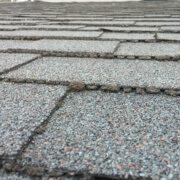
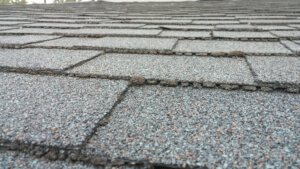
How to inspect your roof for damage in Lacey, WAWe all know that owning a home is an expensive investment. Unfortunately, you can’t just move in and let it set. Homes require constant maintenance to ensure you don’t get costly damage. We suggest doing a yearly home inspection.


Most people will never
venture up onto their roof to see what is going on up there.  A homes roof takes a beating. In the summer, it bakes and the sealant can shrink and expand hundreds of times each year. Making sure your roofing is up to par will save you from costly damage such as mold, water damage, sagging rooflines, pests and much more.

During winter, rainwater can find its way through tiny cracks causing moisture in your attic or between the layers of roofing. Identifying these issues early on can save you thousands of dollars in repairs to the roof itself, drywall, mold or go into your walls creating all sorts of havoc.  It is critically important to understand that your home insurance does NOT cover water intrusion damages caused by deferred maintenance.

Things to look for on your roof inspection:

  1. Missing or damaged shingles
    1. Shingles can become damaged by wind and hail or even just years of use. When inspecting your shingles, make sure the granules are covering the shingle. Ensuring that your shingles are in proper working order will ensure water stays out of your home.
    2. Look for curling shingles, or if wood, cracked or decayed shingles.
  2. Flashing
    1. Your flashing is the metal pieces that go around skylights, butt up against walls and down the valleys on your roof.
    2. Make sure these pieces are whole and without damage such as being twisted upwards, or having holes in them from rust or other damages.
  3. Flat Roofs: Look for obvious patches, cracks, tears, or blisters.
  4. Gutters: Make sure your gutters are clear from debris, are not leaking and are butted up tight against the structure.
  5. Chimneys: Ensure your chimney cap is on tight and if it is brick, inspect for cracks.
  6. Ventilation: Make sure your ventilation caps are clear of obstruction.

Inspecting your roof is a quick and easy job. Take your time and be careful while up there as there are many trip hazards and climbing on and off of the roof onto a ladder can be tricky. But, if done safely, a roof inspection can identify problems that would normally not be covered by your homeowners insurance.

All Insurance One was established in 1978 and is a family owned, local insurance agency in Lacey, WA. Our agents are highly trained professionals and considered masters in their field. By offering protection for your Auto, Home, or Umbrella Insurance, we make sure that you’re covered today, as well as in the future. It is our passion to provide outstanding insurance service and consumer education to our clients.


Key Things to Consider to Lower Your Energy Bill

Small Changes Can Add Up to Big Savings

How to lower your energy bill in Lacey, WAEveryone loves to save money especially if it’s done with a few easy steps. Electricity bills can add up quickly in your home, but by making a few small changes can lower those bills and save money for other things in your monthly budget.
Easy To Do Steps to Lower Your Electricity Bill

Home Heating

Heating your home uses the most energy, but can offer up the best ways to save money.

Keep your heating system tuned up and inspected. A poorly maintained heating system adds up overtime. Get your heating system inspected by a professional to ensure you’re not wasting energy and money.

Check the furnace filter. When a filter is dirty, they use more energy. Replace the filter when needed and follow the instructions in your furnace manual. Usually every couple of months.

Don’t block heat registers or return ducts.

Home Cooling

Invest in an air conditioner that has a high energy efficient rating (EER). A unit with an EER of 10 will save you twice as much as an EER of 5 would to operate.

Keep the filter clean. Again, the dirtier the filter, the harder it has to work.

Keep your temperature consistent. Instead of constantly changing your thermostat up and down, pick a temperature and stick to it.

Appliances

Insulate your water heater. Your water heater and refrigerator can be prime energy suckers. By insulating your water heater, you could have a great return on savings.

Hang dry more of your clothes. This can save on energy, plus keep your clothes in better condition.

Not using an appliance? Unplug it. Keeping an appliance plugged in uses energy, so if you’re not using an appliance or even a phone charger, unplug it.

Always do a full load. This goes for the dish washer and washing machine. Focus on doing full loads vs. partial loads.

Clean the drain weekly. Unclog the drain of food particles and clean it weekly to keep your dish washer running efficiently.

Keep the thermostat at a specific temperature. The refrigerator is best at 38 to 42 degrees, while the freezer is best at 0 to 5 degrees.

Other Tips

Turn off the lights. This is a simple one! If you’re not in a room, turn the lights off.

Change your light bulbs. More and more people are doing this, but energy efficient light bulbs will help you save money on your energy bill. Plus, they last much longer! Dimmer light switches can be a great addition to your home and use less energy while you enjoy your preference of lighting in a room.

Utilize power strips. Many computers, televisions and other electronics use power when they are off. Plug these devices into a power strip and when you’re not using them, simply hit the power switch button to turn them off.

While we can’t lower your energy bill for you, we can help you find ways to lower your insurance. All Insurance One was established in 1978 and is a family owned, local insurance agency in Lacey, WA. Our agents are highly trained professionals and considered masters in their field. By offering protection for your Auto, Home, or Umbrella Insurance, we make sure that you’re covered today, as well as in the future. It is our passion to provide outstanding insurance service and consumer education to our clients.

The Top 10 Reasons to Purchase Rental Car CDW/LDW

This summer thousands of consumers will face the question, to paraphrase Shakespeare, “To purchase the CDW or not to purchase the CDW, that is the question.” It has been debated for years whether or not a person renting a vehicle should purchase the Collision (or Loss) Damage Waiver from the rental company.

IBA West and its national affiliate, the Independent Insurance Agents of America, known as the Big “I” recommend that consumers, in general, SHOULD purchase the CDW/LDW, at least for short-term rentals. Here’s why:

1.) Loss Valuation

The Personal Auto Policy (PAP) covers the lesser of the “actual cash value” of the vehicle or the amount “necessary” to repair or replace the damaged property. The rental agreement may very well contractually obligate you to reimburse the rental company for the “full value” of the vehicle. The PAP also does not pay for any “betterment” (increased value of new parts replacing old ones) of the vehicle, nor any “diminution” of value (if the market value of the vehicle after repairs is less than that before the accident).

2.) Loss Settlement

As implied above, there may very well be disagreement over the value of the vehicle or the amount charged for labor and materials to repair it. Your auto policy’s Appraisal clause may be invoked with its accompanying costs. More importantly, the insurance company has the right to “…inspect and appraise the damaged property before its repair or disposal.” However, the rental company, unlike you, is not contractually obligated to the insurer…it may choose to make the repairs immediately, potentially resulting in a lack of PAP coverage because of failure to comply with this contractual condition. In any case, purchase of the CDW usually allows the renter to “walk away” without the headaches involved in adjusting an auto claim.

3.) Loss Payment

The rental agreement may require immediate reimbursement for damages, and it is customary practice for the rental company to charge your credit card. This can create a significant debt, “max” out the card’s credit limit (perhaps shortening a vacation or business trip), result in litigation, etc.

4.) Loss Damage Waivers (LDW)

Rental agreements often make the renter responsible for any loss in value beyond normal wear and tear, regardless of the cause and regardless of fault. In order for your PAP to respond, you must insure at least one vehicle for both collision and other-than-collision (often called “comprehensive”) coverage. If not, your policy will not respond to rental car damage and loss of use claims.

5.) Indirect Losses

You will most likely will be responsible for the rental company’s loss of rental income on the damaged unit. Your policy has limited coverage for these charges.

6.) Administrative Expenses

The rental contract may make the insured liable for various “administrative” or loss-related expenses such as towing (e.g., one insured was charged for a 230-mile tow), appraisal, claims adjustment, storage, etc. Some of these expenses may not be covered by the PAP.

7.) Other Insurance

The PAP says that it is excess over: (1) any coverage provided by the owner of the auto, (2) any other applicable physical damage insurance, and (3) any other source of recovery applicable to the loss—travel policies, credit card coverages, etc. The potential
controversy over who pays what is obvious and can result in litigation. In addition, keep in mind that many states have statutes, proprietary policy forms, and/or case law precedents that may govern this and other rental car exposures.

8.) Excluded Vehicles & Territories

The PAP normally does not provide physical damage coverage for motorcycles, mopeds, motor homes, or other vehicles that are not private passenger autos, pickups, vans, or trailers. In addition, use of covered vehicles is limited to the U.S., its territories and possessions, Puerto Rico, and Canada (the rental agreement may also exclude operation outside a specific geographical area). If you rent a trailer (U-Haul, camper trailer, etc.), coverage is limited to $500.

9.) Excluded Uses & Drivers

The PAP may have limitations on use of vehicles that are not otherwise excluded by the rental agreement CDW or LDW. Also, the PAP may include an exclusionary endorsement for certain drivers or may apply only to designated individuals—the CDW will probably also only apply to certain individuals, but operators for which no PAP coverage is available may be afforded protection under the rental agreement by adding them as designated drivers.

10.) Additional and/or Future Costs

The PAP will most certainly include a deductible in the range of $100-$500 or more. In addition, payment for damage to a rental car may result in a significant premium increase (if not nonrenewal) via surcharges or loss of credits. Although most CDW/LDW fees are considered outrageous, if not unconscionable, we advise you to purchase the CDW/LDW for short-term rentals. If anything, this will give you peace of mind while on vacation or business, and it could save you from a lot of inconvenience and lost time and money.

Other Tips

When you rent a vehicle, you may want to look at the rental agreement in advance in order to determine your contractual obligations for damage…a few rental car companies post this information on their web sites. Here is a listing of several national rental car company web sites:

In addition, if you will be traveling abroad, check out www.auto-europe.com for information about driving requirements and rental car programs in Europe and other countries around the world.

Final notes to consider when renting a car:

  • Be sure to inspect the rental vehicle for existing damage to the interior and exterior and get their acknowledgement of such damage in writing before leaving the premises.
  • Be sure to take proof of insurance with you on your trip.
  • Carry an inexpensive disposable camera with you on your trip to document existing damage or damage that may occur while using the vehicle.

11 Ways to Save Money on Your Car Insurance

So you’re shopping around for auto insurance. What do you need to know? Well, there are lots of ways – at least 11 – that you can save money. Many of these money-saving ideas may apply to you.

1.) One Insurer, Multiple Policies

Do you have a homeowners or renters insurance policy? If so, is it with the same insurance company that provides your auto insurance? If the answer is no, you’re paying too much – for both policies. Almost every insurance company that sells auto insurance wants its policyholders to also buy homeowners or renters insurance from that company.

These insurers offer so-called multi-policy discounts. Usually, these discounts are at least 10% and some insurers apply the discounts to both the auto and the homeowners/renters policy.

TIP: Talk to your agent about multi-policy discounts.

2.) Good Driver, Good Price?

It’s no secret that the better your driving record, the less you will pay for auto insurance. But did you know that most people qualify as “good drivers” and are eligible for discounted premiums? Some good drivers pay a lot more than others, however.

Many auto insurers are actually a collection of several insurance companies in which each caters to a certain type of driver. The worst drivers go in one company, the best in another, and a lot of people wind up in one of the middle companies.

These middle people pay less than the worst drivers, but more than the best. The thing is, many of these middle people have driving records that are just as good as those who are insured by the companies that offer the lowest rates. Yet these middle people are paying more. Why?

The usual reason is that they don’t know any better. No one told them which insurance company in the group had the best prices. And, probably, no one told them there was even a group of insurance companies. If you have a spotless driving record, there’s no reason you shouldn’t be paying the lowest price a group of insurance companies has to offer.

TIP: Make sure you’re getting the best discount for your driving record. Talk to your agent. And remember, be a safe driver. It will save you money.

3.) The Beauty of the Bus (or Other Mass Transit)

Do you drive to and from work? If you do, you are literally paying a premium to do so. Insurance companies charge you significantly higher premiums if you drive to work. And, the longer your commute (in miles, not minutes), the higher the premium.

TIP: Some drivers should consider mass transit. Yes, there’s a price there, too. But you will reap the savings of gas and lower insurance costs.

4.) Low Mileage, Low Price

On average, people drive 1,000 to 1,250 miles a month. That is what insurance companies consider average use.

TIP: If you drive less than the average, you could be eligible for low-mileage discounts, which some insurers offer.

5.) High-Profile, High-Cost

The type of car you drive is a major factor in what you pay for insurance. Is your vehicle a magnet for thieves? Is it more expensive to repair than most cars? If the answer to either of the last two questions is yes, you’re paying more than the average car owner for insurance.

NOTE: To get detailed information on your vehicle(s) – or a vehicle you’re thinking of buying – write to the Insurance Institute for Highway Safety at 1005 North Glebe Rd., Arlington, VA 22201 and ask for the “Highway Loss Data Chart.”

6.) Raise Your Deductible

The deductible is the amount you pay before insurance kicks in if you have a claim. For example, if you have a $250 deductible and you have an accident in which your car sustains $1,000 in damage, you pay the first $250 and your insurer pays the balance, $750. The lower the deductible you choose, the more you pay. If you have assets, you can probably afford to absorb at least $250 and probably $500 if you have a claim.

TIP: If it’s been years since you’ve had an accident, you may be better off raising your deductible and paying less each year for insurance

7.) Drop Unnecessary Coverages

Let’s say you have an older car, one not worth very much. There’s really little point in having collision and comprehensive coverages. You don’t have much to protect. Remember, too, that you have to subtract your deductible from any potential payout you might get.

TIP: As a general rule, any car worth less than $1,000 shouldn’t have collision and comprehensive coverage. Between the deductible and the extra expense of these coverages, the cost is probably greater than the benefit. How much is your car worth? An auto dealer can tell you, or there are plenty of books that have values of vehicles going back many, many years.

8.) Discounts, Discounts, Discounts

Auto insurance companies offer several discounts for a variety of reasons. The car has automatic seat beats, air bags, anti-lock brakes, anti-theft devices, etc. The driver is a good student, which is especially valuable if you have teenage children who will be on your policy.

TIP: Make sure you are taking advantage of all the discounts available to you!

9.) Taking the Defensive

Many insurance companies also offer discounts to those who have taken defensive driving courses recently.

10.) Low-Cost and High-Cost Areas

Are you planning to move? If you are, you should take into account the cost of insurance. Generally, the more urban the area, the higher the premium. The costs can vary even within a community.

FACT: Rates can really vary from state to state. If you’re living in New Jersey, Massachusetts or Hawaii, you’re paying several times more, on average, than you would in North Dakota, South Dakota or Idaho.

11.) Credit Where Is (Or Is Not) Due

Is your credit record better than your driving record? If you have a good credit record, you could be eligible for discounted premiums from several auto insurance companies.

FACT: Many insurers now use your credit history as a major factor in determining what to charge you for auto insurance. In some cases, with some companies, you could save money by shifting your business to an insurer that uses credit as a rating factor – even if you have a so-so or poor driving record. There is another side to this coin. If you have a poor credit history, you could save money by moving your auto insurance to a company that does not use credit as a rating factor. Many insurers do not use credit as a factor.

TIP: Regardless of your credit status, you should talk to your agent to make sure
you have the best situation given your credit record, good or bad.

—————-

Whatever your driving record or coverage needs, you should shop around, or let an experienced insurance professional shop around, for the best deal for you. There are literally thousands and thousands of coverage options from hundreds and hundreds of insurance companies.

In addition, not only should you try to get the best deal you can, you also need to make sure you have all the coverage you want/need. Using an Independent Insurance Agent is usually your best bet to get the most value for your auto insurance dollar.

At All Insurance we take a personal interest in our customers. We like to share information to help you protect yourself and your family from financial loss. If you have any questions regarding this information or your insurance coverage, please don’t hesitate to give us a call 360.438.2797.