5 Things to Keep in Mind for Spring Cleaning Your Home
 Cleaning a home deeply should be done once a year and spring is a great time to dig in and actually do it! Instead of focusing on a long list of things to accomplish, we’d thought we’d share five things to keep in mind when it comes to spring cleaning your home.
Keep it, Store It or Donate It
This is an easy reminder when it comes to cleaning out your house and it can apply to any room. For clothing items, ask yourself if you have worn it in the last year. If the answer is no, look to donate it. You can help others in need this way and that always feels great. Seek out charities that support your community.
Break It Up In Sections
Just the thought of spring cleaning can be exhausting for some people. Instead, focus on breaking up your cleaning by sections or rooms. For example, put all your cleaning attention into your kitchen for the first day. Wipe down your cabinets, organize the inside of your cupboards or drawers, or give your refrigerator a nice scrub. This feels much more doable versus looking at your long list of cleaning for your entire house and asking yourself, “Where do I start?!”
Create a List & Check It Twice
For many people, creating a to-do list feels productive and how good does it feel once you can officially check if off? Follow our suggestion by breaking up your cleaning into sections and making a list of what you want to accomplish in each room.
Make it Fun
Get your family or other household members involved, assign them specific tasks, turn on some good music then celebrate with a night out together. Don’t feel like you have to clean all day long to feel like you’ve been productive. Marking several items off your list can simply do the trick!
Looking for a Basic Spring Cleaning Checklist? Start here.
Top Areas to Clean in Each Room
- Dust all furniture, picture frames, television, or hanging décor on walls.
- Dust ledges or other areas you cannot see at eye (ceiling fans, top of cabinets)
- Clean windows or mirrors
- Dust or wipe down baseboards, blinds, window sills, vents.
- Sweep & mop floors
- Vacuum carpet and rugs
- Change smoke detector batteries
- Wash curtains
- Vacuum furniture cushions
- Disinfect items like your TV remote, door knobs, computer mouse or kitchen drawer handles.
- Organize each room & donate/discard what you won’t use.
- Disinfect your bathroom items like tub, shower and toilet. Wash shower curtains.
Your home is a valuable asset so keeping it clean will not only keep it in tip-top shape, but will clear the home of allergens, bacteria and mold that can build up over time. With a little elbow grease, you’ll be done in no time.
All Insurance One was established in 1978 and is a family owned, local insurance agency in Lacey, WA. Our agents are highly trained professionals and considered masters in their field. By offering protection for your Auto, Home, or Umbrella Insurance, we make sure that you’re covered today, as well as in the future. It is our passion to provide outstanding insurance service and consumer education to our clients.
 Whether you are a snow bird who flocks to warm weather in the winter or you’re taking a vacation, you should always protect your home while you’re away. The last thing you want to hear while vacationing is that a pipe burst or your home was burglarized. Follow these simple steps to ensure your home is safe while you’re away.
 Insurance policies are full of language and terms that may not be clear right off the bat. Many terms are specific to the industry and to the specific type of insurance that is being purchased. Having a local insurance agent for all of your insurance coverage allows you to chat about all the details with your agent so you completely understand your policy. If you haven’t done this, there are many potential claims where it’s easy to assume you have full coverage.
 Jewelry is valuable not only because of its beauty, but the special meaning behind it. Does it represent 30 years of marriage? Was it passed down from a great grandmother? Was it given to you to celebrate a special moment? Between its sentimental value, as well as financial value, our local insurance agency wants you to be fully protected.

 The unfortunate reality of home or condo ownership is that over time you will most likely develop a leak that could cause major damage if it goes unchecked. If you own a home or condo, regularly check these places for leaks that can cause damage and may go unnoticed.
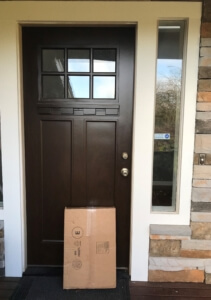 The holiday season is a joyous time, but unfortunately, it is also top season for theft. If you walk around your neighborhood, it isn’t hard to see all the holiday deliveries left on porches of unsuspecting homeowners. Protecting yourself from theft is all about prevention. To avoid being a victim of holiday theft:
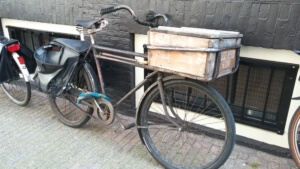 According to the National Bike Registry, 1.5 million bicycles are stolen each year. With college campuses being the biggest source of bicycle theft, it would be great if there was a way to protect your investment that was quick and easy. The good news is that more than 48% of bicycles that are stolen are recovered, but of those, only 5% are able to be identified and returned to their owners.
 It seems like everywhere we go we have a chance to hear the sound of a UAV, also known as a drone, commonly sounding like a disturbed hornets’ nest. Drones are fun to fly for both kids and adults. They are seemingly harmless besides the risk of it becoming non-responsive due to other remote signals, the battery dying and falling out of the sky, or the control operator simply being inexperienced and crashing the drone into a parked vehicle. Many, if not most, drone operators have experienced a drone crash or close call while learning how to pilot the fun UAV. While our first concern is typically, “is my drone okay?” we should be asking ourselves the question of “What happens if I crash this into someone’s house or vehicle?”