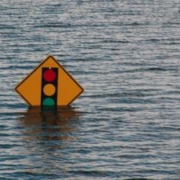
Understanding Flood Insurance: Why Every Homeowner Should Be Prepared

Floods can strike anywhere in the United States, as evidenced by FEMA’s data showing flood claims occurring in every state, with an average claim cost exceeding $31,000. It’s a common misconception that only properties situated near streams, rivers, or bodies of water are at risk.


The reality is that heavy rainfall can overwhelm drainage systems, water runoff from hillsides can infiltrate basements, and even levees can fail. Essentially, any area where rain falls is susceptible to flooding, regardless of its proximity to water. It is important to note that flood insurance is not typically included in standard homeowners insurance policies.

In the unfortunate event that you experience a flood and have flood insurance, there are several important considerations to keep in mind.

1) Report your claim as soon as possible and maintain open and frequent communication with your insurance adjuster.

Prompt reporting ensures that the claims process can begin promptly, allowing you to receive the necessary assistance. Additionally, it is crucial to document the damages by photographing the affected areas. If you have “before” pictures saved on a cloud platform rather than solely on a computer hard drive, it can provide additional evidence of the pre-flood condition. It is worth noting that your insurance company will likely conduct their own assessment and document the damages as well.

2) Creating a comprehensive list of all the items you lost in the flood is another important step.

Including receipts, if available, can substantiate the value of the lost belongings. These records will greatly assist in the claims process and help ensure a fair settlement.

3) It is also advisable to review your flood insurance policy to fully understand your rights and the extent of your coverage.

Being familiar with the terms and conditions of your policy will enable you to make informed decisions during the claims process.

If you are considering purchasing flood insurance, we are here to assist you. Contrary to popular belief, flood insurance does not have to be exorbitantly expensive. If your property is located in a floodplain or near a body of water, the premiums may be higher due to the increased risk.

However, if you reside in an area less prone to flooding, the cost of coverage can be much more reasonable. Considering the potential financial impact of a flood claim, it is prudent to assess your risk and explore your options for obtaining flood insurance.

If flood insurance has been on your mind recently, we encourage you to reach out to us. Our knowledgeable team can provide guidance and help you navigate the process of securing appropriate coverage.

Protecting your property and possessions from the devastating effects of a flood is a responsible decision, and we are here to support you in making the best choices for your insurance needs. Don’t hesitate to give us a call and discuss your flood insurance options.

Understanding Why Auto Insurance Rates Go Up

The auto insurance industry has experienced a consistent increase in premiums, which may have caught the attention of many individuals. While our agency represents several top insurance companies in the country and can provide quotes from multiple sources, it is important to understand the reasons behind this upward trend in premiums.


Several factors contribute to the rising premiums:

  • Expensive Repairs: The market is flooded with new cars that are costly to repair. Advanced technology and sophisticated features in modern vehicles make replacement parts more expensive than ever before.
  • Technological Advances: The intricate technology integrated into today’s vehicles comes with a higher price tag for replacement. Repairing or replacing these advanced systems can significantly impact insurance costs.
  • Distracted Driving: Distraction behind the wheel has become a major concern. Approximately one out of every four car crashes involves cell phone use. Such accidents lead to increased claims and higher premiums.
  • Rising Medical Costs: The complexity of the health insurance industry has caused medical payments associated with car accidents to skyrocket. The increasing cost of healthcare translates into higher insurance premiums.
  • Growing Claims Severity: The severity of claims, i.e., the amount paid out, is on the rise. This can be attributed to a combination of factors such as expensive repairs, medical costs, and higher compensation expectations.
  • Escalating Labor Costs: The cost of labor has increased significantly over time. When repairs are necessary, the expenses incurred for skilled labor contribute to higher insurance premiums.
  • Parts Delays: Manufacturing and labor shortages can cause delays in obtaining necessary parts for repairs. Such delays can prolong the time a vehicle spends in the repair shop, driving up costs and subsequently impacting premiums.

While these factors are beyond an individual’s control, there are measures you can take to manage your insurance costs effectively:

  • Review Your Coverage: Regularly assess your insurance coverage to ensure it aligns with your current needs and circumstances. Adjustments can be made to optimize your coverage and potentially lower your premiums.
  • Explore Discounts: Check for any available discounts with your current insurance carrier. You may be eligible for various discounts that can help reduce your premium.
  • Bundle Your Coverage: Consider bundling your insurance policies, such as home, auto, and specialty insurance, with a single carrier. Bundling often results in discounts, ultimately saving you money.

If you have specific inquiries about your auto insurance coverage, we strongly encourage you to reach out to our agency. As an independent insurance agent, we can thoroughly review your coverage and determine whether your current carrier remains the best option for your situation. We are here to assist you in obtaining the most suitable coverage at competitive rates.

Parental Liability With Our Children’s Actions

Our children hold a special place in our hearts, and as parents, their well-being and safety become our utmost priority. However, it’s important to recognize that as they grow and explore the world, their actions can have implications that extend beyond their immediate surroundings.


In many states, parents bear sole responsibility for the actions of their children, encompassing not only property damage but also potential personal injuries caused by their behavior.

As parents, we have a crucial role in ensuring that our children understand the consequences of their actions from an early age. While it’s easy to dismiss their behavior as innocent childhood antics, we must remember that as adults, we are responsible for their safety as well as the well-being of those around them.

Let’s explore some common scenarios where our children’s judgment can potentially lead to liability insurance claims.

  • Swimming Pools: If your home has a swimming pool, it becomes a popular destination for neighborhood kids during the hot summer months. While it’s great to foster a sense of community, it’s essential to make sure your child understands that other children can only swim when a supervising parent is present. Implementing safety measures such as a lock on your pool cover can prevent tragic accidents and protect you from liability claims.
  • Matches, Fireworks, And Flammable Materials: Children are often fascinated by fire. As a nation, we celebrate our independence with fireworks displays. However, when children have access to fireworks without adult supervision, they may engage in unsafe behavior that could lead to fires or personal injuries. Keep all flammable materials, including matches and fireworks, securely stored away from the curious eyes and hands of children.
  • Swing Sets: If you have a swing set or playground in your yard that is accessible to neighborhood children, it’s crucial to regularly inspect its condition. Loose boards, bolts, or brackets can pose risks and potentially cause injuries. Even if children enter your property without permission, you can still be held liable. Taking proactive steps to maintain a safe play area demonstrates your commitment to ensuring the well-being of all children who visit.
  • Firearms: Firearms are often depicted in various forms of media, including television shows, video games, and cartoons. It’s important to emphasize the proper handling and storage of firearms to your child. Keep firearms securely locked away in a safe and utilize trigger locks to prevent unauthorized access. Educate your child about the serious consequences of mishandling firearms and the potential harm it can cause.
  • Unauthorized Driving:
    Some teens are willing to take the risk of driving without permission or even a valid driver’s license. If your child takes the family vehicle and an accident occurs, you could be held liable for resulting property damage or injuries.
  • Vandalism:
    Teens may be tempted to engage in acts of property destruction, such as egging houses or spray-painting graffiti. Even if done as a “harmless prank,” parents can still be held financially responsible for the damages.
  • Online Behavior:
    Children and teens today spend much of their free time online, where their actions can have serious consequences. Cyberbullying, sharing offensive content, or posting defamatory remarks can lead to emotional harm or legal issues. It’s important to stay involved in your child’s online activity and have open conversations about responsible digital behavior.

While we hope that your child remains exempt from the aforementioned examples and enjoys a carefree childhood, it’s essential to understand that you may be held liable for their actions.

Our responsibility as insurance professionals is to ensure that you have appropriate coverage to protect against unforeseen incidents resulting from seemingly innocent actions.

By evaluating your insurance needs and recommending comprehensive coverage, we aim to provide peace of mind, knowing that you are financially protected in the face of unexpected events.


Remember, as parents, it’s our duty to guide and educate our children, fostering a safe environment that allows them to flourish while minimizing potential risks to themselves and others.

The Advantages of Choosing a Local Insurance Agency

When it comes to finding the right insurance policy, working with a local insurance agent can offer numerous benefits tailored to your specific needs. While instant quotes may seem enticing in our fast-paced society, they often fall short in providing the best rates and coverage. Here are six ways in which a local insurance agent can assist you:
  1. Professional Advice: Unsure about the amount of coverage you need for your home or confused about the appropriate insurance for your small business? Local insurance agents prioritize your best interests and provide expert guidance. They will listen to your needs, educate you on your coverage options, and help you select the insurance company that best suits your requirements. With access to multiple insurance providers, you gain the advantage of choice.
  2. Assistance with Premium Increases: If your direct insurance carrier raises your premiums significantly, it may be time to explore other options. Local insurance agents can help in such situations. Simply reach out to your agent via email or phone, and they will leverage their relationships with various insurance carriers to find the best coverage that fits your budget and needs. Their goal is to save you time and money by advocating on your behalf.
  3. Claims Guidance: Dealing with an insurance claim can be a hassle, but a local insurance agent can be your trusted companion throughout the process. By contacting your agent, you’ll receive valuable assistance in settling your claim efficiently, ensuring that you are made whole again.
  4. Relationship Building: Local insurance agents aim to build strong relationships with their clients, just like your trust in a doctor or dentist. They strive to earn your trust and become your go-to resource for insurance guidance, saving you time and money. To them, you are not just a customer; you are a valued client who deserves comprehensive protection.
  5. Expert Answers to Your Questions: As your lifestyle and needs evolve, local insurance agents are there to support you through life’s changes. Whether you’re starting a business, transitioning from renting to homeownership, or acquiring insurance for a new classic car, they are equipped to address all your insurance inquiries and requirements.
  6. Comprehensive Coverage Options: Local insurance agencies typically offer a wide range of insurance policies, allowing you to consolidate your coverage needs in one place. By bundling your home, car, boat, and business insurance under one roof, you not only simplify the process but may also qualify for additional cost savings.

By collaborating with a local insurance agency, you benefit from their personalized service, industry expertise, and commitment to ensuring you have the optimal coverage for your unique circumstances. Take advantage of the valuable support and resources they provide to secure your peace of mind.

What You Need To Know About Wedding And Special Event Insurance

Planning a wedding or a special event requires a tremendous amount of time, effort, and attention to detail. From creating the guest list to selecting vendors and deciding on the perfect menu, there are countless considerations involved in making your dream wedding or event a reality.

Amidst all the preparations, it’s easy to overlook the importance of having an insurance policy for your special occasion. However, securing a special events insurance policy can provide essential protection against a wide range of potential claims and even cover the cancellation or postponement of the event, safeguarding your deposits and investments.

Let’s explore some hypothetical scenarios that highlight the significance of having wedding or special event insurance:

  1. Alcohol-related Incident: Imagine a guest at your event is served excessive drinks and later decides to drive home. Tragically, they end up causing an accident involving a pedestrian. While the individual’s own insurance may cover a portion of the damages, you or the venue could be held liable for overserving the guest, potentially leading to significant financial consequences. Having a special event insurance policy can help protect you in such unfortunate circumstances.
  2. Weather-Related Challenges: Let’s say you’ve planned a picturesque winter wedding, but on the day of the event, an unexpected snowstorm hits, resulting in closed airports and impassable highways. As a result, you and your guests are unable to attend the wedding. In this situation, a special event insurance policy could provide coverage for the costs associated with rescheduling or canceling the event due to severe weather conditions.
  3. Vendor Bankruptcy: Suppose one of your contracted vendors suddenly declares bankruptcy just a week before your event, leaving you without their promised services. Without wedding or special event insurance, you could face significant financial losses as you scramble to find a replacement vendor on short notice. However, with the right insurance coverage, you can receive compensation for the expenses incurred due to the vendor’s sudden unavailability.
  4. Unexpected Military Deployment: Consider the scenario where either the bride or groom, who serves in the military, receives an unforeseen deployment order shortly before the event. This unexpected circumstance may necessitate rescheduling or canceling the wedding. With wedding insurance or special event insurance, you can be protected against the financial implications of such last-minute changes.

Investing in wedding or special event insurance is not only prudent but also surprisingly affordable. With policies typically starting around $185, this relatively modest expense can make all the difference between realizing the wedding or event of your dreams or settling for compromised arrangements due to lost deposits and other unforeseen expenses. The peace of mind that comes with knowing you have adequate insurance coverage for your special day is truly invaluable.

Don’t let the excitement and busyness of wedding or event planning overshadow the importance of protecting yourself from potential risks. Explore your options for affordable special events insurance and secure the necessary coverage to ensure that your special day unfolds without unnecessary financial burdens. Remember, a well-protected event is a memorable event!

Places To Watch For Water Leak Damage

Owning a home or condo comes with the unfortunate possibility of developing leaks over time, which can lead to significant damage if left unchecked. To ensure the safety of your property, it is essential to regularly inspect the following areas for potential leaks that may otherwise go unnoticed.

  1. The Water Heater: Water heaters typically have a lifespan of around 10-12 years, although some may last longer. However, relying on luck is not a wise strategy. When water heaters fail, they often leak water from the base, creating a messy situation. Since water heaters continuously refill themselves, the extent of the damage can be significant. Regularly inspect your water heater to detect any signs of leakage.
  2. Toilet & Sink Lines: If you haven’t already done so, consider installing braided stainless water lines, which provide a simple and effective way to protect your home from water damage. Vinyl lines are prone to developing bulges, getting damaged easily, and developing cracks as they age. Additionally, regularly check all the lines in your house for any signs of drips.
  3. Washing Machine Supply Lines: The washing machine supply line is usually visible behind the machine. These lines are larger than other supply lines in your home because they deliver more water. Therefore, it is crucial to monitor them closely and install braided stainless supply lines for added protection.
  4. Refrigerator Ice Maker Line: The water supply line for your refrigerator’s ice maker can be a hidden source of trouble. Since it is concealed behind the refrigerator, any leaking can go unnoticed for months, causing damage to your floor and crawl space. Make it a practice to pull out your refrigerator at least once a year with the help of a friend or family member. Inspect the lines for any signs of leakage and take the opportunity to clean the vents at the base of the refrigerator, enhancing its efficiency.
  5. P-Trap Connections: P-traps are the drain connections located under your sinks. Since many of us store items near these drains, they are susceptible to being bumped frequently. Loose or damaged connections can lead to slow leaks under the sink. Regularly check for leaks under your sinks to avoid costly water damage or damage to your cabinets.
  6. Utilize Water Alarms for Monitoring: An effective way to continually monitor your home for leaks is by installing inexpensive water sensors. A pack of five sensors can cost around $40. These sensors are particularly useful in hard-to-reach areas such as water heaters and refrigerator water supply lines. They function similarly to smoke detectors, emitting a loud alarm when they come into contact with water.

Remember, prevention is the key to avoiding water damage claims in your home. By taking proactive measures and regularly inspecting these vulnerable areas, you can protect your property and save yourself from the financial and emotional burden of dealing with water damage.

Insurance Needs For Your College Students

Entering college is a significant milestone for your child, and as a parent, there are various factors to consider, including insurance coverage. Before your child embarks on this new journey, take the time to address these three important aspects of insurance:

Auto Insurance Policy:

If your child plans to take their car to college, it’s crucial to update their auto insurance policy. Reach out to your insurance agent to ensure they are adequately protected in case of accidents or theft. If your child is attending college out of state, discuss with your agent if any changes are needed to their policy.

Even if they won’t have a car on campus, it’s advisable to keep them on your auto insurance policy. This way, they’ll still be covered when they return home for a visit or if they need to borrow a friend’s car on campus. Additionally, inquire about potential discounts your child may qualify for, such as good student, distant-student, pay-in-full, safe driver, or data tracking discounts.

Education on Liability:

College is an exciting time for socializing and learning, but it’s essential to educate your child about the serious consequences of certain behaviors. Discuss the risks associated with drinking and driving, providing alcohol to underage individuals, or engaging in drug-related activities. Emphasize that one poor decision in these areas can have long-lasting effects on their life and the lives of others.

Renters Insurance for Off-Campus Living:

If your child will be living off-campus, it’s prudent to invest in a renters insurance policy, particularly if they own valuable items like laptops, televisions, or cameras. Create a comprehensive inventory of their belongings, including model and serial numbers, to facilitate the claims process in case of theft or damage.

Keep in mind that each roommate should have their own renters insurance policy, as coverage extends to individual belongings. Additionally, renters insurance offers liability coverage, which is an important aspect to consider.

Understanding Reimbursement for Theft:

In the unfortunate event of theft, it’s essential to comprehend the terms of reimbursement provided by your insurance policy. Two common options are actual cash value and replacement cost coverage. Replacement cost coverage ensures that you are reimbursed for the full cost of replacing an item with a similar one of equal quality. On the other hand, actual cash value factors in depreciation, meaning you will be reimbursed for the item’s value minus depreciation. It’s advisable to consult your insurance agent for clarification on these terms.

Whether you need to update your child’s auto insurance or explore renters insurance options, our local experts at our agency are here to assist you in finding the most suitable coverage for your needs. College can be an exciting and transformative time, and having the right insurance coverage ensures peace of mind for both you and your child.

How Are Auto Insurance Premiums Calculated

Have you ever wondered how car insurance premiums are calculated? It’s not uncommon to find yourself in conversations with friends who have similar age and driving history, only to discover that each of you is paying vastly different premiums for what seems like comparable coverage. So, what factors come into play when insurance companies determine your auto insurance premium? Let’s explore some of the key elements that can influence the cost of your coverage.

  • Gender, Age & Marital Status: Insurance companies consider factors such as gender, age, and marital status when calculating premiums. Statistically, certain age groups and genders may be associated with higher or lower risks, affecting the cost of insurance.
  • Past Driving History: Your past driving history plays a significant role in determining your premium. Insurance companies assess your record for any accidents, traffic violations, or claims you may have made in the past. A clean driving history generally results in lower premiums, while a history of accidents or violations may lead to higher rates.
  • Claim History: Insurance companies also consider your claim history. If you have a track record of filing numerous claims, particularly for at-fault accidents, it could impact your premium. Being seen as a higher-risk policyholder can result in increased rates.
  • Zip Code: The area where your vehicle is garaged, commonly referred to as your zip code, is another influential factor. Insurance companies analyze local factors, such as crime rates, population density, and accident statistics, which can vary from one location to another. Living in an area with a higher risk of accidents or theft may lead to higher premiums.
  • Credit Score: Believe it or not, your credit score can affect your car insurance premium. Insurance companies may use credit-based insurance scores to assess the likelihood of a policyholder filing a claim. Those with better credit scores are often considered lower risk, potentially resulting in lower premiums.
  • Commute Distance: The number of miles you commute on a daily basis can impact your premium. Longer commutes generally mean more time on the road, increasing the likelihood of accidents or damage. Consequently, insurance companies may adjust your premium based on your estimated annual mileage.
  • Multi-Policy Discounts: Insurance companies often provide discounts for policyholders who bundle multiple insurance policies with the same carrier. If you have home or renters insurance, combining it with your auto insurance under a single provider can lead to potential savings.
  • Current Insurance Status: Whether you are currently insured or have had a lapse in coverage can affect your premium. Continuous insurance coverage is often viewed favorably by insurance companies, while a lapse may be seen as a higher risk.
  • Desired Coverage: The types of coverage and the limits you choose for your auto insurance also impact the premium. Opting for higher coverage limits or additional optional coverages will likely result in a higher premium.
  • Previous Insurance Policy: Insurance companies may consider the limits and coverage you had on your previous insurance policy when calculating your premium. If you had higher coverage limits in the past, it may be factored into your current premium.
  • Vehicle Type and Age: The type and age of the vehicle you drive can affect your premium. Insurance companies take into account factors such as the safety features, theft rates, and repair costs associated with your vehicle. Newer and more expensive vehicles may generally have higher premiums due to increased repair costs.

Insurance companies analyze these factors, among others, to determine a premium that aligns with your risk profile and helps ensure profitability for the company. While it may be challenging to predict exactly what you will pay each year, there are steps you can take to increase your chances of getting a great rate and excellent coverage.

One effective strategy is to reach out to a local independent insurance agent. Independent agents represent multiple insurance companies, allowing them to provide you with comparison quotes from

National Park Road Trip

Enjoy a National Park road trip with these top park suggestions

Embarking on a road trip to explore the natural wonders of our National Parks is an adventure that promises breathtaking landscapes and unforgettable experiences. The United States is renowned worldwide for its remarkable collection of 63 National Parks, with fourteen of them proudly holding the distinction of being UNESCO World Heritage Sites (WHS). Whether you’re a nature enthusiast seeking tranquility or an avid traveler yearning for new horizons, here are the top five most visited National Parks that you should consider for your road trip itinerary:

Great Smoky Mountains National Park (WHS):

Welcoming nearly 10 million visitors annually, the Great Smoky Mountains National Park is a haven for outdoor enthusiasts. Immerse yourself in the splendor of ancient mountains, vibrant wildflowers, and diverse plant life. Enjoy captivating hikes to enchanting destinations such as Rainbow Falls, Charles Bunion, Alum Cave Bluffs, and Andrews Bald.

Grand Canyon National Park (WHS):

With its awe-inspiring grandeur, the Grand Canyon beckons over 5.5 million visitors each year. Marvel at the vastness and vibrant colors of this geological wonder as you stand at its rim. Explore hiking trails that lead to hidden gems, revealing the immense beauty of one of the world’s most iconic landscapes.

Rocky Mountain National Park in Colorado:

Unleash your sense of adventure in this captivating national park, offering 450 miles of pristine streams and 150 breathtaking lakes. Don’t miss the opportunity to visit Bear Lake and traverse the famous Trail Ridge Road, which offers stunning vistas and a chance to witness the park’s diverse wildlife.

Yosemite National Park (WHS):

Renowned for its towering granite cliffs, magnificent waterfalls, and ancient forests, Yosemite National Park is a nature lover’s paradise. Marvel at the majestic beauty of the glacier-carved Yosemite Valley, witness the sheer power of waterfalls like Yosemite Falls, and be humbled by the presence of giant sequoias.

Yellowstone National Park (WHS):

As the first designated National Park in the world, Yellowstone holds a special place in history and the hearts of nature enthusiasts. Drawing in nearly 4.1 million annual visitors, this park spans across three states—Montana, Idaho, and Wyoming—and boasts an extraordinary array of geysers, lakes, and captivating wildlife.

Embarking on a journey to one of these remarkable National Parks is a cherished tradition for many. Whether you opt for the freedom of a travel trailer, the comfort of an RV, or the thrill of motoring in your car or motorcycle while staying in the park’s lodges, you’re bound to create cherished memories for yourself or with your loved ones. Remember to plan ahead, as reservations at these popular parks fill up quickly, often months in advance. Additionally, practice safe driving by slowing down within the parks and remaining vigilant for wildlife, ensuring the safety of both yourself and the remarkable creatures that call these parks home.

Simple Tips for A Memorable Summer Barbecue

Summer is a season filled with warmth, sunshine, and the perfect opportunity to gather with friends and family for a delightful BBQ. Whether you choose to fire up the grill in your own backyard or head to a local park, these moments spent in the company of loved ones are truly memorable. But what exactly makes a BBQ party great? Well, fear not, as we have some simple suggestions to help you create a party that you and your guests will cherish for years to come!

Firstly, consider creating a signature drink that embodies the spirit of your BBQ party. While the adults might enjoy a refreshing cocktail, the kids would surely love some freshly squeezed lemonade. Crafting a unique and delicious beverage adds a touch of fun to the atmosphere. Instead of playing the role of a bartender throughout the entire day, opt for a signature cocktail like sangria, mimosas, margaritas, or moscow mules. You can even make big pitchers of these delightful concoctions to lessen your workload.

Next, let’s talk about prepping in pieces. Instead of overwhelming yourself by trying to do everything in a single day, strategize your preparation. Allocate one day for a trip to the grocery store, another day for chopping and prepping your produce, and consider making a side dish that can be refrigerated overnight. By breaking down the tasks, you can ease your burden and ensure that everything is ready on the day of your BBQ. Don’t forget to set up your table or decorations as well for that extra touch of flair.

Now, let’s turn our attention to entertainment. One of the simplest and most enjoyable forms of entertainment at a party is good music. Curate a playlist or stream your favorite tunes through an outdoor or Bluetooth speaker. If you’re looking to add more excitement, organize an outdoor game competition with activities like ladder golf, bocce ball, volleyball, or cornhole. Additionally, providing squirt guns, a football or soccer ball, or even arts and crafts supplies can keep the kids occupied for hours on end.

If you’re feeling adventurous, consider hosting a themed BBQ party. Theme parties tend to be even more memorable and provide an opportunity to align your food choices with the theme. If you prefer a potluck-style gathering where guests bring their own dishes, provide them with suggestions that match the theme. This way, everyone can contribute to the overall experience while enjoying the culinary delights that complement the chosen motif.

While we’re on the topic of practicality, it’s worth mentioning the convenience of using plastic silverware and plates for easy cleanup. However, have you ever considered providing plastic take-away containers for your guests? This idea is especially beneficial if you anticipate having plenty of leftover food. Not only does it allow your guests to take home a taste of the delicious spread, but it also saves space in your own refrigerator. Simply ask your guests, “What food can I send you home with?” and watch as they happily carry their share of the feast.

In conclusion, a memorable BBQ party is within your reach by incorporating these simple suggestions. From crafting a signature drink to prepping in stages, and from providing entertaining activities to embracing a thematic approach, you can elevate your gathering to new heights. Don’t forget the convenience of plastic containers for leftovers, ensuring that the joy and flavors of your BBQ can be savored even after the party ends. So, gear up, fire up that grill, and get ready for an unforgettable summer celebration with your loved ones!